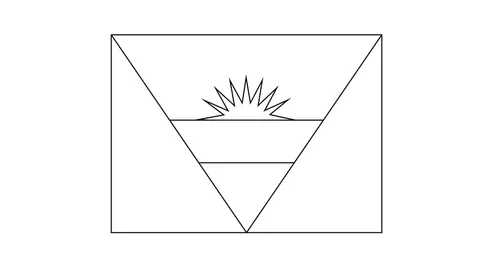
I was designed by Mr. Reginald Samuel in 1966. The seven point Golden Sun symbolizes the dawn of a new era. Red: symbolizes the lifeblood of our slave forefathers and the dynamism of the people. Blue: symbolizes hope. Black: symbolizes the soil and African heritage. Gold, Blue and White: symbolize – sun, sea and sand. “V”: Victory at last! What am I?
I am worn by market vendors and cake makers in Antigua and Barbuda. “National Day” is when many Antiguans proudly wear their national clothing, serve or eat local food and drinks, and attend national prayer services. What am I?
Years ago, fishing rafts were made from my log and fishing bait was made from the white interior pulp of my leaves. What am I?
Originally introduced by the Arawakan speaking people, I was used for making twine, cloth and for healing purposes. Today I am mostly found on the south side of Antigua. They call me BLACK! What am I?
Wisdom is the quality of having experience, knowledge, and good judgement; the quality of being wise. It is the fact of being based on sensible or wise thinking and also the form of knowledge and experience that develops within a specified society or period. Wisdom is acquired through experiences, whether they be your own or someone else’s relayed to you. Having wisdom helps us to make the right choices for our lives and protects us. It equips us to handle difficult situations and relationships, helps us to work smarter, not harder and allows us a life of contentment and happiness. Those who have wisdom will show it in the way that they live and sometimes pass it on.
As we fast approach our Independence Day let us remember the men and women who left us nuggets of wisdom through our patriotic songs, through the cultural activities that we continue to celebrate and most importantly through the physical representations of the advice that they have passed unto us. In keeping with good company here are eight (8) nuggets of wisdom that I would like to pass on to you reader. Maybe it will change a life, yours or another’s.
Words are powerful use them wisely.
Sometimes the things we say may come to fruition and so we must remember to only speak positively, it may be the difference between good and bad karma.
People come and go, but the right ones stay.
It is okay to make new friends and leave old ones behind. Everyone that comes into your life is there for a reason, whether it be good or bad, enjoy the time and cherish the ones who stick with you.
You are doing enough, even if it doesn’t seem or feel like it.
Your pace is indeed your own and although sometimes you may be discouraged, NEVER compare yourself to anyone else. Sometimes, someone else’s progress might just be smoke and mirrors; a deception and delusion they have created to make themselves feel better.
Failure is when you don’t try.
People think that failure is when you’re unsuccessful at something you try to do, that is the furthest thing from the truth. It’s all about perspective, if you look at it as a learning experience instead, the next time you attempt another go, you will definitely be successful as you won’t make the same mistakes again.
Random acts of kindness make everyone feel better.
Don’t just do it for the “gram”. Actual acts of kindness are done not for self-benefit or praise but to genuinely help someone out. Karma works both ways, a good act comes back to you in abundance.
Live for today, not for tomorrow.
What can be done today should be done today. We never know how soon we will leave this earth. Let’s try to make the best of every day and make each one count.
Never look back, there is nothing there for you.
Well, nothing but the past and yes, we learn from it. But learn and move on, because living in the past damages your path towards becoming a well adjusted person.
Overthinking kills happiness.
An overthinking mind focuses on negative things, sabotaging happy thoughts and keeping your mind in a constant state of negativity. When your happiness decreases, it affects your mental health and productivity.
“Reading is an active, imaginative act; it takes work.” – Khaled Hosseini
In last week’s issue, we talked about the benefits of reading. We also shared that reading involves
identify the words we see (word recognition);
understand what they mean (comprehension);
connect words and their meaning so that reading is automatic and accurate (fluency). (twinkl.com)
Most people believe that once you have accurately pronounced the words in the text that you have read successfully. However, comprehension plays a significant role in reading. After all, we read to gain meaning and comprehension is “the ability to make meaning” (LiteracyHow.org).
For example, which sentence is easier for you to understand
The school had a food fair yesterday.
The Gayzorniplatz was moving his tonk. (Cooper, Robinson, Slanksy & Kiger, 2015)
Naturally, Sentence A is easily understood. Not only could the words be called but you could associate meaning with the words; maybe from your own past experiences.
Sentence B, on the other hand, presented a challenge. The words the, was, and his were recognized. You probably thought that the word Gayzorniplatz was a proper noun because it is capitalized. You may have also used familiar word patterns to help give some semblance of pronunciation. Nevertheless, because the word is unfamiliar and you are unsure of its pronunciation, you could not construct meaning properly (Cooper et al., 2015).
Joel Warrican (2012) stated that for an engine to run it needs certain components, the same applies to reading. One must know the words and be aware of the context to construct meaning. Both identifying the words and understanding them are two big jobs in the reading process and they are always a part of the process (Copper et al., 2015).
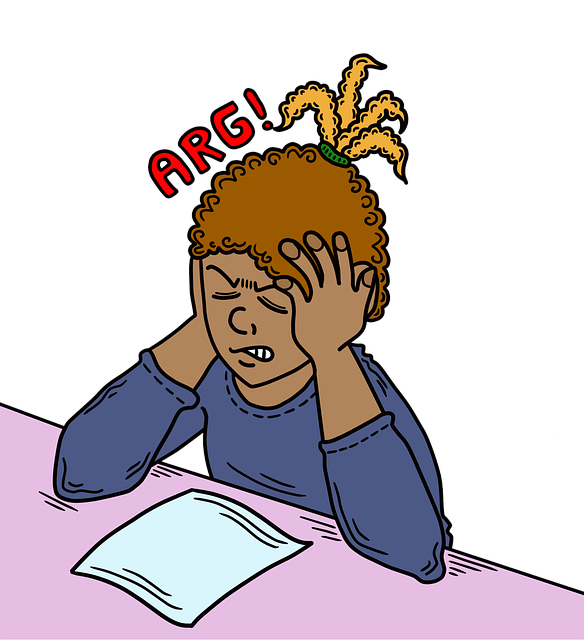
Although comprehension is important, it is often the part that gives us the most trouble. Sometimes when reading, we may find it difficult to understand the message that the author is trying to convey. This can be so FRUSTRATING.
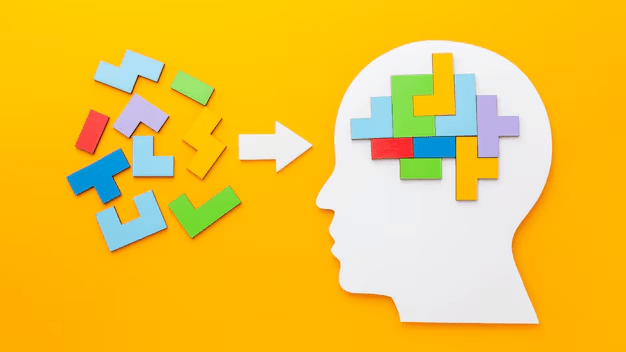
Here are six strategies that you can employ to aid in comprehension.
What about reading material or text for school? Watch the video below.
Remember:
“Reading is essential for those who seek to rise above the ordinary.” Jim Rohn
So, Rise Above the Ordinary and READ!
#LiteracyMatters
References
Cooper, J. D., Robinson, M. D., Slansky, J., & Kigerm N. D. (2015).