

by
Faye Henry-David ~ Teacher of Literacy
“Reading is an active, imaginative act; it takes work.” – Khaled Hosseini
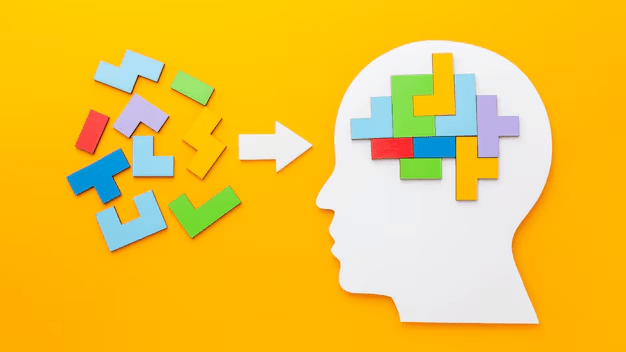
In last week’s issue, we talked about the benefits of reading. We also shared that reading involves
- identify the words we see (word recognition);
- understand what they mean (comprehension);
- connect words and their meaning so that reading is automatic and accurate (fluency). (twinkl.com)
Most people believe that once you have accurately pronounced the words in the text that you have read successfully. However, comprehension plays a significant role in reading. After all, we read to gain meaning and comprehension is “the ability to make meaning” (LiteracyHow.org).
For example, which sentence is easier for you to understand
- The school had a food fair yesterday.
- The Gayzorniplatz was moving his tonk. (Cooper, Robinson, Slanksy & Kiger, 2015)
Naturally, Sentence A is easily understood. Not only could the words be called but you could associate meaning with the words; maybe from your own past experiences.
Sentence B, on the other hand, presented a challenge. The words the, was, and his were recognized. You probably thought that the word Gayzorniplatz was a proper noun because it is capitalized. You may have also used familiar word patterns to help give some semblance of pronunciation. Nevertheless, because the word is unfamiliar and you are unsure of its pronunciation, you could not construct meaning properly (Cooper et al., 2015).
Joel Warrican (2012) stated that for an engine to run it needs certain components, the same applies to reading. One must know the words and be aware of the context to construct meaning. Both identifying the words and understanding them are two big jobs in the reading process and they are always a part of the process (Copper et al., 2015).
Although comprehension is important, it is often the part that gives us the most trouble. Sometimes when reading, we may find it difficult to understand the message that the author is trying to convey. This can be so FRUSTRATING.
Here are six strategies that you can employ to aid in comprehension.
What about reading material or text for school? Watch the video below.
Remember:
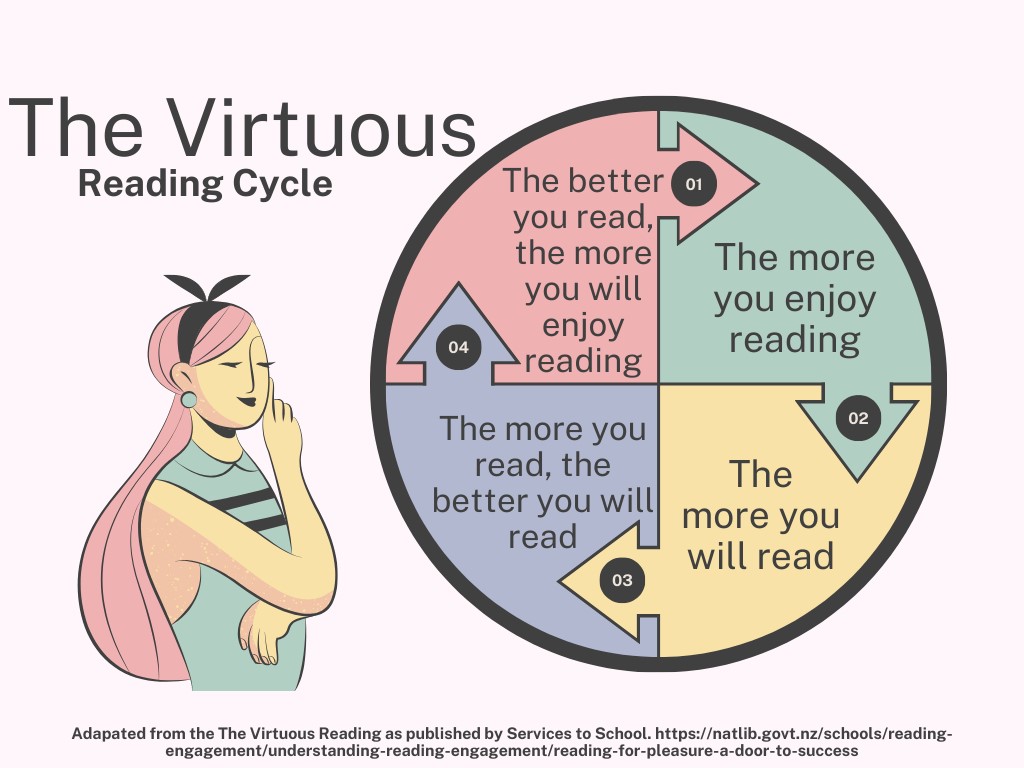
“Reading is essential for those who seek to rise above the ordinary.” Jim Rohn
So, Rise Above the Ordinary and READ!
#LiteracyMatters
References
Cooper, J. D., Robinson, M. D., Slansky, J., & Kigerm N. D. (2015).
Literacy: Helping students construct meaning. Cengage Learning.
Literacy How. (n.d.). Text comprehension.
National Library of New Zealand. (n.d.). Reading for pleasure: A door to success.
Twinkl Teaching Wiki. (n.d.). What is reading?
Warrican, S. J. (2012). The complete Caribbean Teacher: Literacy. Pearson
Discover more from ROAR
Subscribe to get the latest posts sent to your email.
