

At some point, when you are reading and you come across an unknown word, you have been told – “break up the word”. Which being translated means – divide the word into syllables.
But what is a syllable and why is it important to understand how to “break-up the word”.
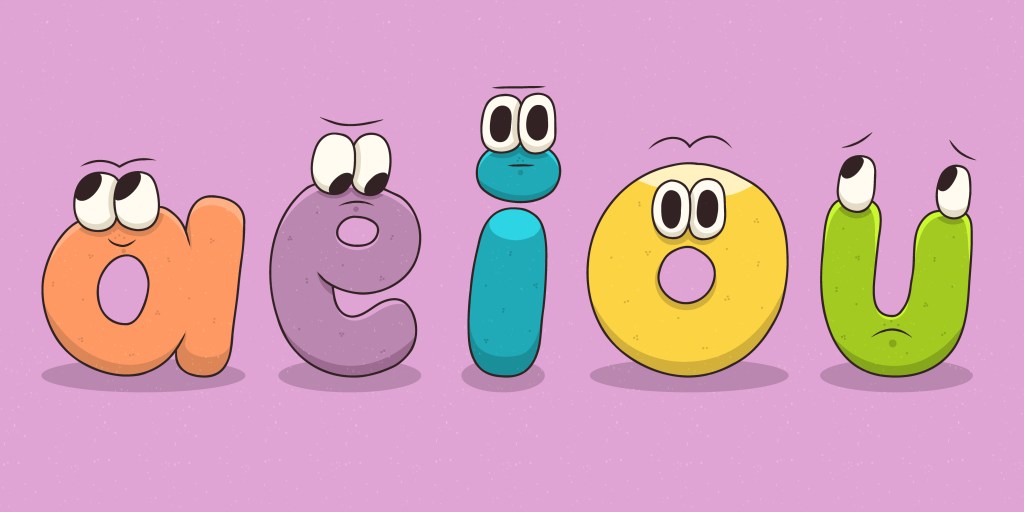
Syllables are units of spoken language in which one vowel sound is heard. Consonants may come before or after the vowel sound. In some instances, a syllable may not contain a consonant.
The vowel sounds govern how the word is split into chunks. Knowing about vowels and their sound (short and long) is essential to identifying a word, whether the word has one syllable or three syllables.
The ability to chunk words into syllables helps us as readers to pronounce or decode words. It provides us with clues to the way the vowel may be pronounced in unfamiliar words.
Beginning today and over the next few weeks, we will explore ideas that guides syllabication.
Today’s Takeaway – Every single vowel or vowel combination (e.g. /ea/ or /oo/) shows a syllable, except for the final ‘e’.
Here are some examples:
Around – a/ round
Careless – care/ less
Valentine – val/ en /tine
Optimistic – op/ ti/ mis/ tic
Communication – com/ mu/ ni/ ca/ tion
Multidimensional – mul/ ti/ di/ men/ sion/ al
Application
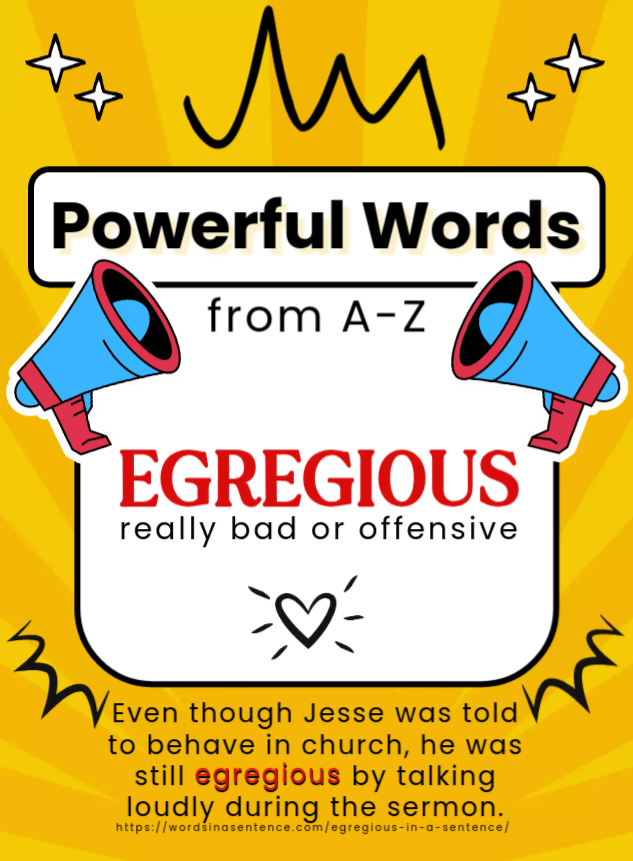
Practice chunking as you pronounce our our Powerful Word for this week:
#LiteracyMatters #BreakItUp
References:
Cooper, J. D., Robinson, M. D., Slansky, J., & Kigerm N. D. (2015).
Warrican, S. J. (2012). The complete Caribbean Teacher: Literacy. Pearson
Discover more from ROAR
Subscribe to get the latest posts sent to your email.
